Conservation Watch
The Belgian Embassy In Kenya: A Quiet Revolution In Sustainability
Thorn Mulli
Courtesy
They say lightning never strikes the same place twice, but in the Maddens household, it figuratively did.
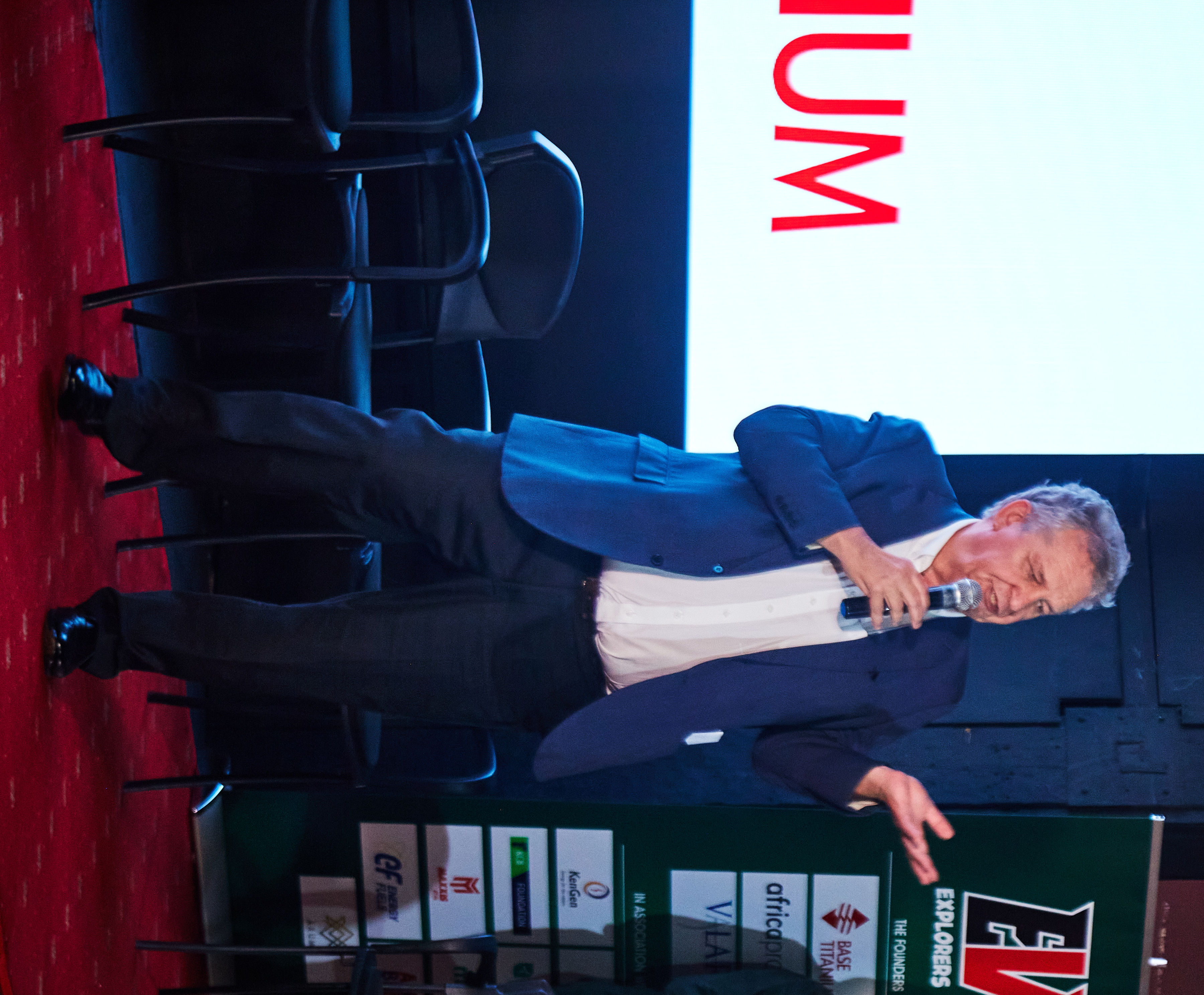
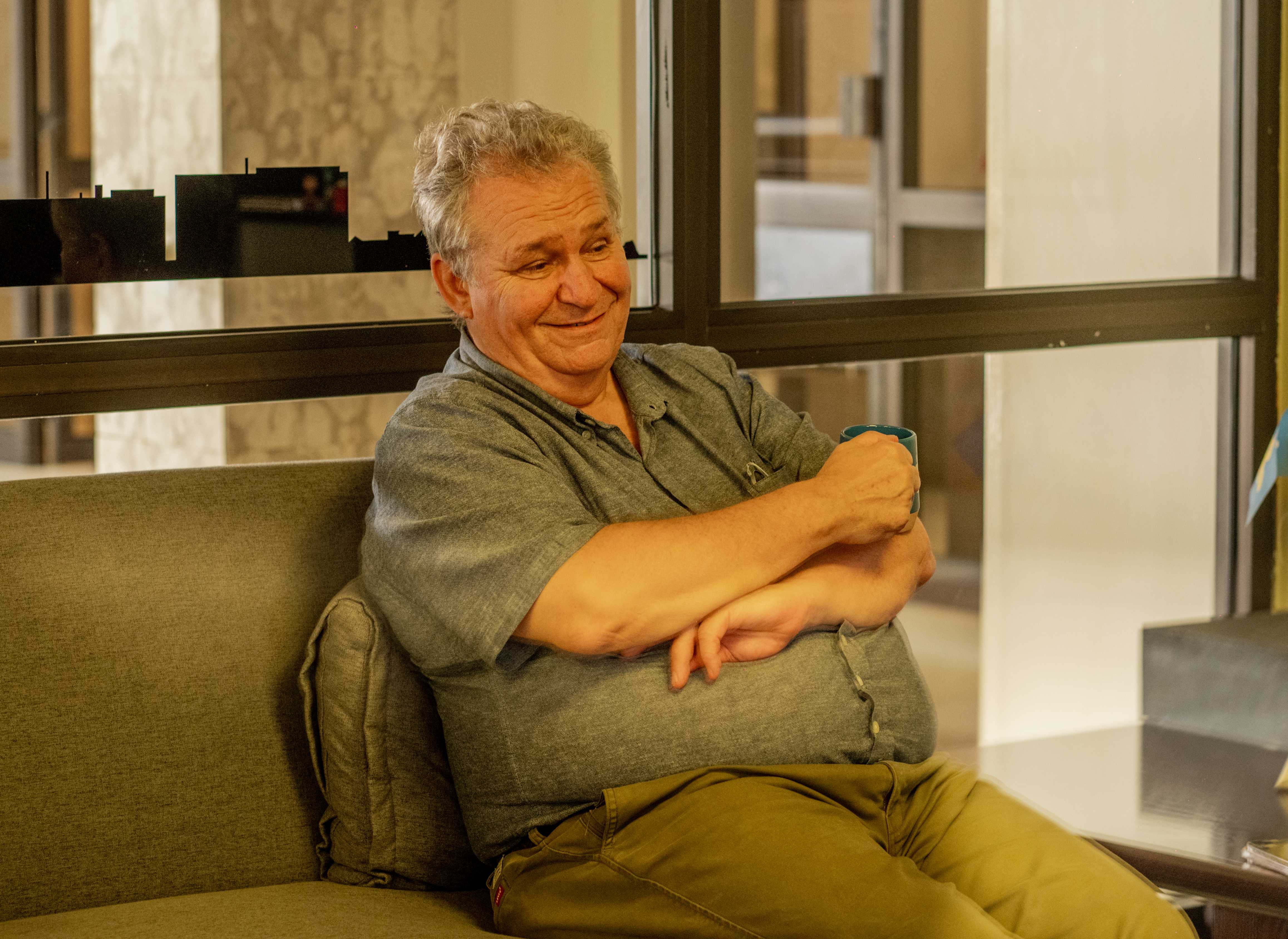
Back in the 1970s, Pieter Maddens presented his envoy credentials to then-President Jomo Kenyatta. Years later, his son Peter would complete high school at St. Mary's School, where his classmate happened to be the president’s son—Uhuru Kenyatta. Fast forward, in a rare alignment of fortune, on September 2021, Peter Maddens would present his own credentials to that very classmate, now the fourth President of Kenya.
As intriguing as this tale is, it wasn't the reason Business Daily sought out the Ambassador to Kenya, Comoros, Eritrea, Madagascar, Seychelles, Somalia—and Permanent Representative to the United Nations Offices in Nairobi. Our interest was piqued by his concerted effort to turn the Belgian Embassy in Kenya into a carbon-neutral compound. This followed a passionate speech he delivered as chief guest during the launch of the first Electric Vehicle (EV) to participate in the Rhino Charge, an annual off-road competition now in its 36th edition.
Taking inspiration from his son, a climate activist, Ambassador Maddens notes that he hasn’t personally owned a vehicle since 2008—aside from the one assigned for official duties. In Belgium, he cycles, carpools, or uses public transport. It is this consciousness that he brought with him to Nairobi—and to the very compound he grew up in—that sparked what he describes as his “little big thing”.
As part of his initial duties—engaging with diplomats, politicians, civil society, business leaders, and the Belgian diaspora of around 600 individuals—he encountered several inspiring initiatives. One such standout was Emboo Camp, a carbon-neutral safari lodge in the Maasai Mara founded in 2019 by Valery Super and Loïc Amado.
After visiting Emboo and learning about its systems, H.E. Maddens wondered if the same could be replicated at the embassy. With 700 meters of flat roof ideal for solar, similar acreage but with an an incline ideal for tapping water using gravity, and a climate suited for agriculture, the idea took root. A proposal was pitched to the Foreign Ministry in Brussels, who—commendably—were open to experimenting. Construction began in October 2023. By February 2024, after an investment of €350,000, the Embassy of Belgium in Kenya became the first net-zero Belgian embassy globally, with an ambitious goal to eliminate all greenhouse gas emissions.
To achieve this, the embassy installed a 60kVA solar power system, with panels mounted on both roofs. These panels power the building during the day while charging a battery pack for nighttime use. Kenya Power’s main grid serves as a backup, even as Maddens is quick to note that Kenya already generates most of its electricity sustainably. He argues that if more users adopted green energy, the national grid would become more stable—and blackouts could be a thing of the past.

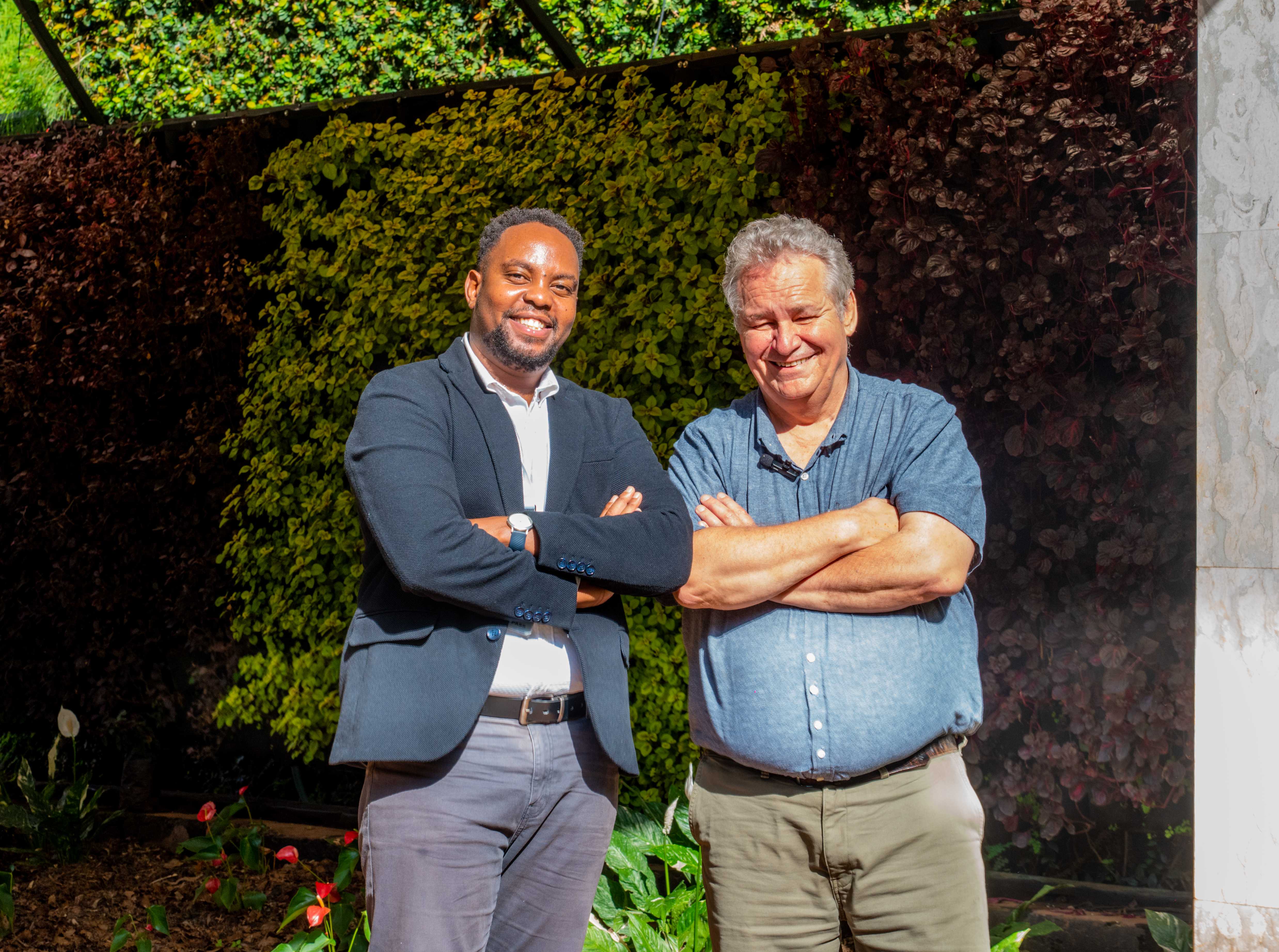
Water consumption at the embassy comes primarily from a borehole, supplemented with city water. Used water is filtered (he never uses the term waste water), then mixed with rainwater collected from the rooftops, with a storage capacity of 100,000 litres. Note that all soaps and cleaning agents used are biodegradable. This treated water irrigates two vertical hydroponic herb gardens and one vegetable patch. Thanks to volcanic pumice enrichment, the plants require watering only twice a day—for just two minutes each session. The produce is consumed on-site, and guests are encouraged to take home herbs.
Organic remains from the garden and kitchen is fed into biodigesters that generate methane gas, used for cooking both in the main residence and the service quarters. Showers in the latter also use biogas-heated water. Since the embassy’s own remains aren’t sufficient to meet all their gas needs, they’ve partnered with Muthaiga Mini Market and Onn The Way Supermarket on Limuru Road to collect unsold produce. The biodigesters also yield a nutrient-rich liquid byproduct, stored in a separate tank and mixed with rainwater for irrigation. Solid residue is composted over three years to further enrich the garden soil.
Ambassador Maddens believes telling the story is just as important as building the systems. He’s proud that the embassy staff have embraced the initiative and are now living the ethos. Spreading the sustainability message, he argues, is essential. Large-scale efforts like geothermal and wind power only have maximum impact when everyday citizens adopt small, meaningful changes—like installing biodigesters in their homes.
He, thus, emphasises continuous improvement. The embassy’s carport is painted white to boost the efficiency of bifacial solar panels, which capture sunlight from both sides—benefiting from reflected light off surfaces like pavement and vehicles. The exposed panels are also a visual reminder of the embassy’s commitment. Aesthetic additions include a fountain integrated into the water filtration system, which not only circulates water but beautifies the compound.
The embassy is also exploring converting the ambassador’s officially assigned—but now written-off—armoured vehicle into an EV. This pilot retrofit, underway with Rift Valley Motors, aims to save on the cost of acquiring a new vehicle, given Belgium’s bureaucratic constraints.
For those interested in learning more about this pioneering net-zero initiative, the embassy offers guided tours every Thursday at 11:30am.