W@ssup
Flipflopi Sets Sail For Marine Litter Mapping Expedition
The creators of the world’s first sailing dhow made entirely from discarded plastic, the Flipflopi, are partnering with members of the international scientific community to undertake an expedition to map the impact of marine litter in the Lamu archipelago of the Western Indian Ocean. During the two-week expedition, the Flipflopi team and partners will conduct scientific research to map the extent of macro-plastics, micro-plastics and micro-fibres in the ocean and on the shorelines (beaches and mangrove forests) of around 300 kilometres of Kenyan coastline.
They will also run a series of events to increase local communities’ understanding of the impact of plastic pollution and showcase solutions. The research will be used to understand the common types of plastic waste accumulating on the coastline, and map areas of plastic accumulation. It aims to provide a holistic overview of the most common types of plastic waste, their sources and how they negatively impact the Lamu archipelago's marine ecosystems. The baseline study will be used to inform potential interventions and find innovative solutions to promote job creation while also cleaning up the environment through the Sustainable Manufacturing and Environmental Pollution (SMEP) Program.
In partnership with UK Aid, Flipflopi will be leveraging the results of the research to establish a first-of-its kind waste material recovery facility in the Lamu archipelago, together with a local community outreach programme. By assessing the full extent of marine plastics on this environment, they hope to support local communities in finding solutions to manage this waste through the creation of closed-loop waste management systems where items can be recycled after use and later made into new products. For this fishing community, this may include development of a plastic boat building industry.

A young Lamu resident making recycled art
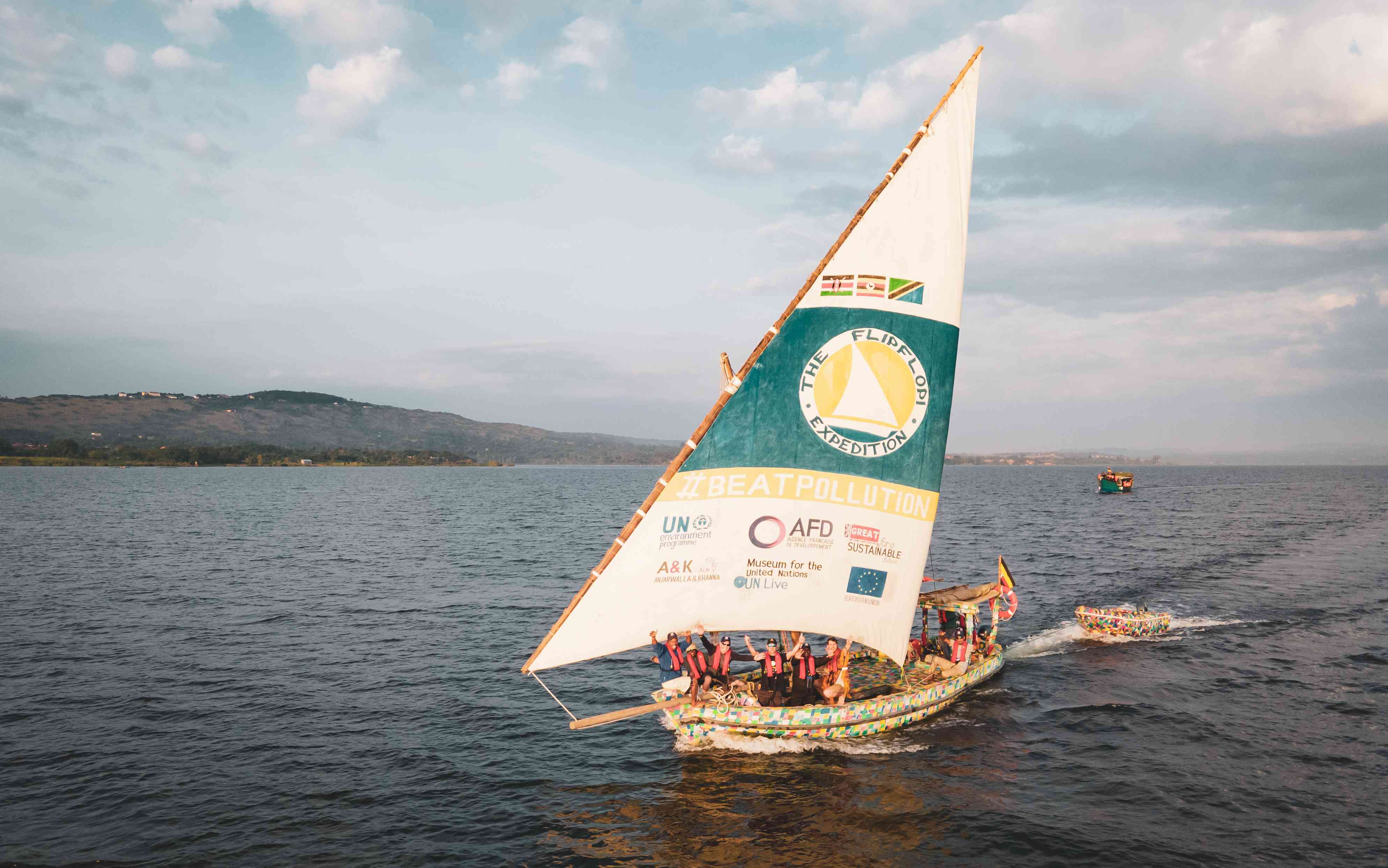
FlipFlopi Dhow
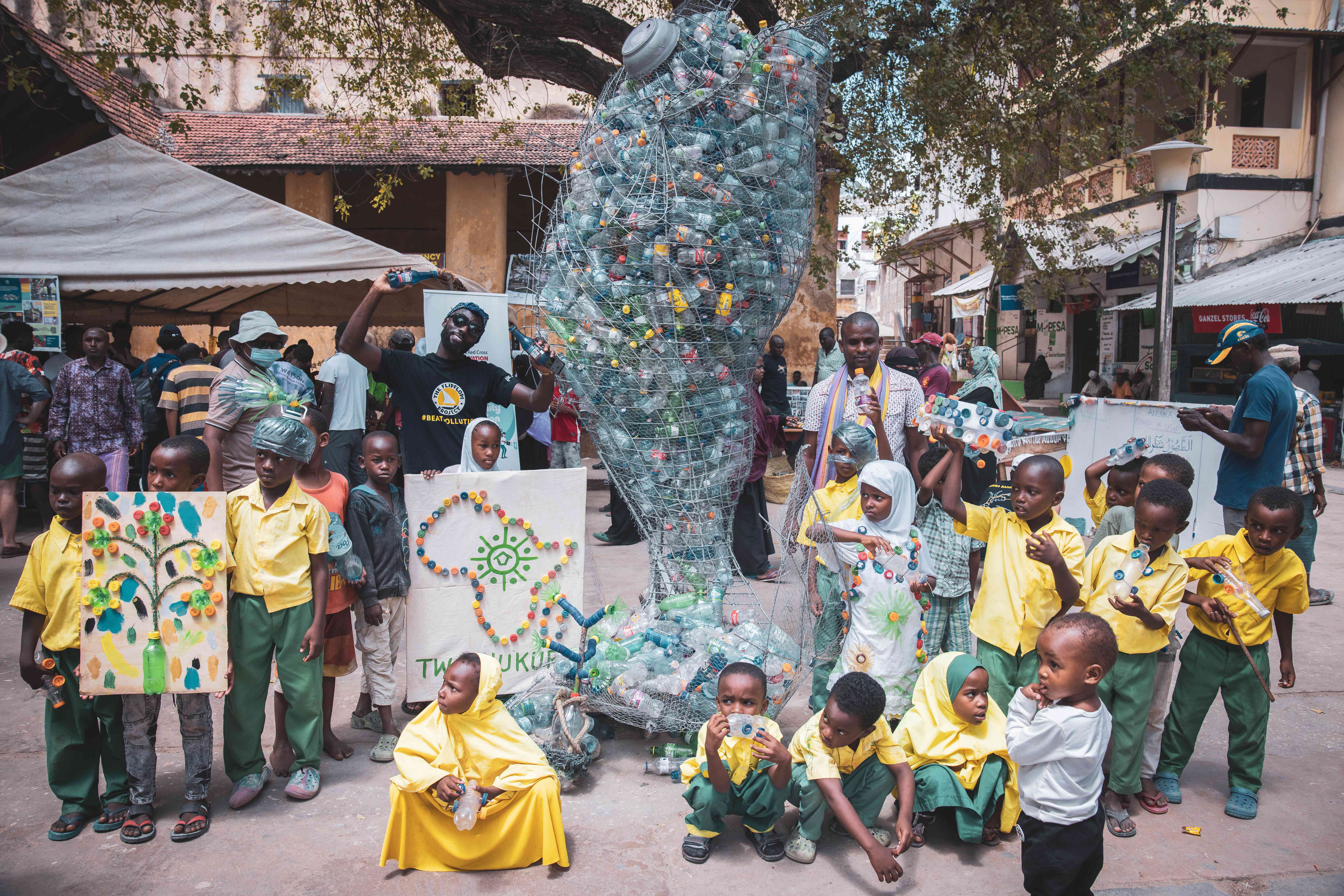
Lamu Ecofestival
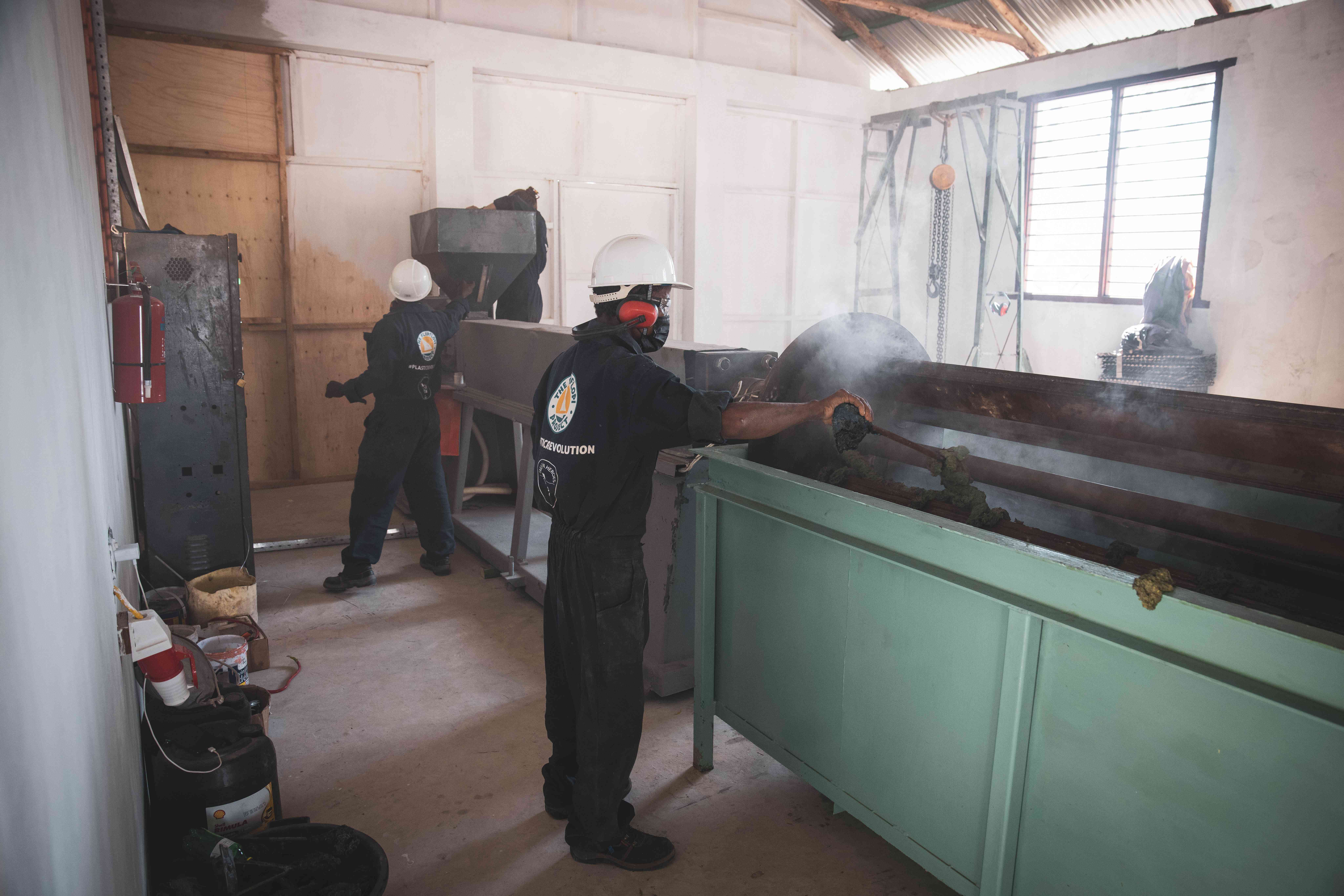
New flipflopi plastic recycling workshop extruder
As the plastic pollution crisis grows, more needs to be done to understand the real impact and extent of plastic damage on our ocean and seas. During the resumed fifth session of the UN Environment Assembly (UNEA 5) in Nairobi, to take place from February 28, to March 2, 2022, one of the main focus of deliberations will be on a possible legally binding instrument on plastic pollution. The findings of the latest Flipflopi expedition may be used to inform the development of sustainable solutions and locally-relevant waste management solutions. "Less than five per cent of plastic polluting the Western Indian Ocean is currently recycled; while it is less than ten per cent globally. But with the exception of South Africa, we lack data in the region on quantities, types, sources of marine litter.
We are trying to fill this gap to better understand the situation, and to engage communities and policy makers to change the life cycle of plastic products to make use of what is there, and prevent more getting into the ocean," said David Obura a leading marine scientist and advisory board member of Flipflopi. The Flipflopi expedition supports the UN Decade on Ocean Science for Sustainability and strengthens the goals of UNEP’s global Clean Seas Campaign which aims at rallying the power of the crowd in the fight against marine litter and plastic pollution.
The expedition also coincides with a commemoration of 50 years of UNEP. “Research projects like this, being spearheaded by our Clean Seas partner Flipflopi, are great examples of how we can all join hands to build the evidence base for smarter policies, advocacy and action in areas that are home to some of the richest biodiversity on the planet, but that are facing the gravest threats. We need all hands on deck in these Decades of Ecosystem Restoration and Ocean Science for Sustainability to turn the plastics economy from pollution to solution,” Leticia Carvalho, Principal Coordinator for Marine and Freshwater at the UNEP said, adding that a low carbon recovery, that addresses the life cycle of plastic waste as a key issue, will create jobs and accelerate economic growth while improving human health.
According to a 2021 UN Environment Programme (UNEP) report, From Pollution to Solution, of the 400 million tonnes of plastic produced annually, approximately 11 million tonnes flow into aquatic ecosystems every year. Without action, this is projected to nearly triple by 2040, equating to some 50 kilograms of plastic per meter of coastline worldwide. In 2018, the global impact of plastic pollution on tourism, fisheries, and aquaculture with other costs such as those of clean-ups, were estimated to average US$12 billion (Sh1.364trillion).