W@ssup
Government Launches Ambitious Recovery Strategy To Reel Back Kenya’s Tourism
Travelog
MarkDenver Karubiu
The Cabinet Secretary for Tourism and Wildlife, Najib Balala, yesterday launched a five-year recovery strategy for Kenya’s tourism sector in a ceremony held at the Nairobi National Park. The recovery framework is intended to accelerate the growth of the sectors to the upward trajectory witnessed pre-pandemic. Before Covid and the ensuing global lockdown that froze tourism earnings, the industry boasted 2.04 million inbound visitors who injected an estimated 9.3 per cent total contribution to the country’s GDP all the while providing employment to at least 1.08million people.
According to the CS, 2019 had been the best year in the sector and the recovery model aims to recover to the 2019 levels of tourism spend by 2024. Looking back, Balala recounted how the pandemic had created an unprecedented problem for the sector.
“The whole world, nobody imagined, could be shut down. For three months, airports were empty, rooms and hotels were empty. We were scared even to shake hands and to hug,” the CS recalled the period that set up a very difficult two years for global tourism.
With the brunt of the pandemic ebbing away, there have been good signs of an industry in recovery and several hotels, such as Fairmont The Norfolk, Radisson Blue, have reopened, with more re-openings still on the way.
The New Tourism Strategy for Kenya (2021-2025) is the product of a wide engagement involving industry stakeholders such as tour operators, global funders, eco-tourism and conservation NGOs, parastatals, state-owned enterprise (SOE)s and ministry departments and over 30 global and local sources of information and data such as National strategies and blueprints, tourism recovery models, WTTC (World Travel & Tourism Council), Euromonitor and International Air Transport Association (IATA). The framework has since been tabled and approved by the Cabinet and will run beyond this government and unto the next administration.

Tourism CS Balala addressing the guests at the launch
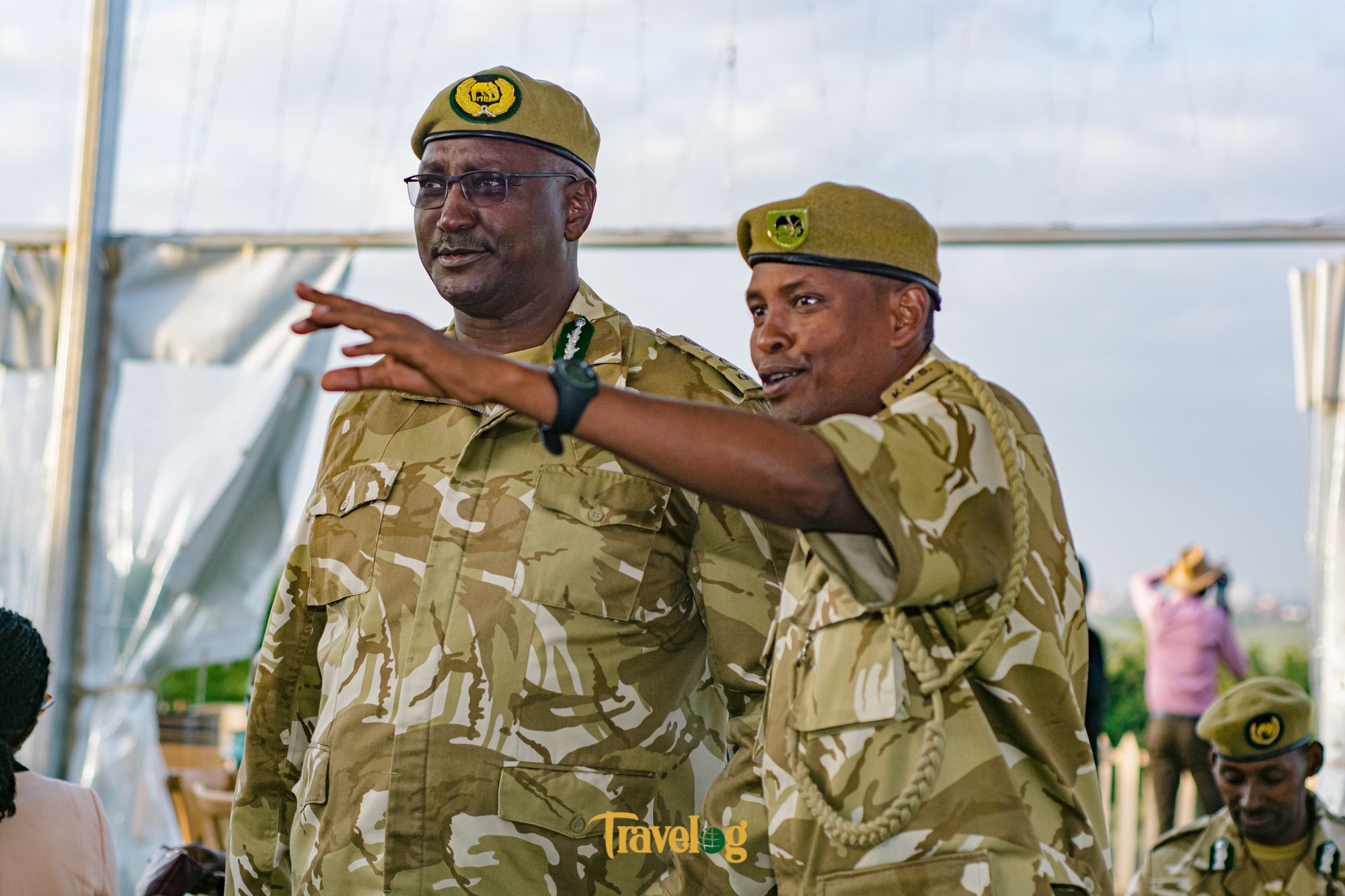
Director General of Kenya Wildlife Service , Brig . John Waweru and warden Hassan Bashir at the event
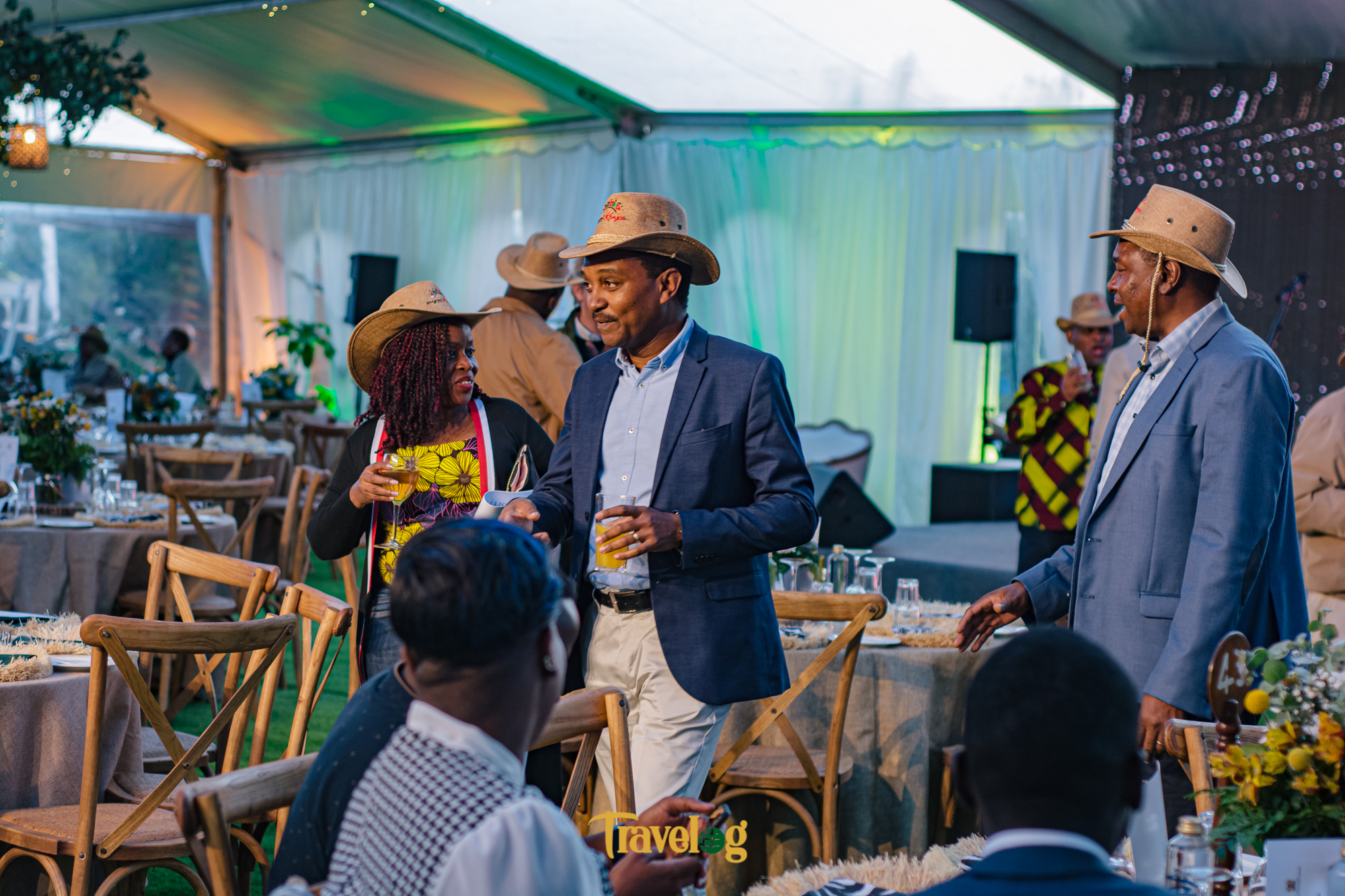
A little mingling
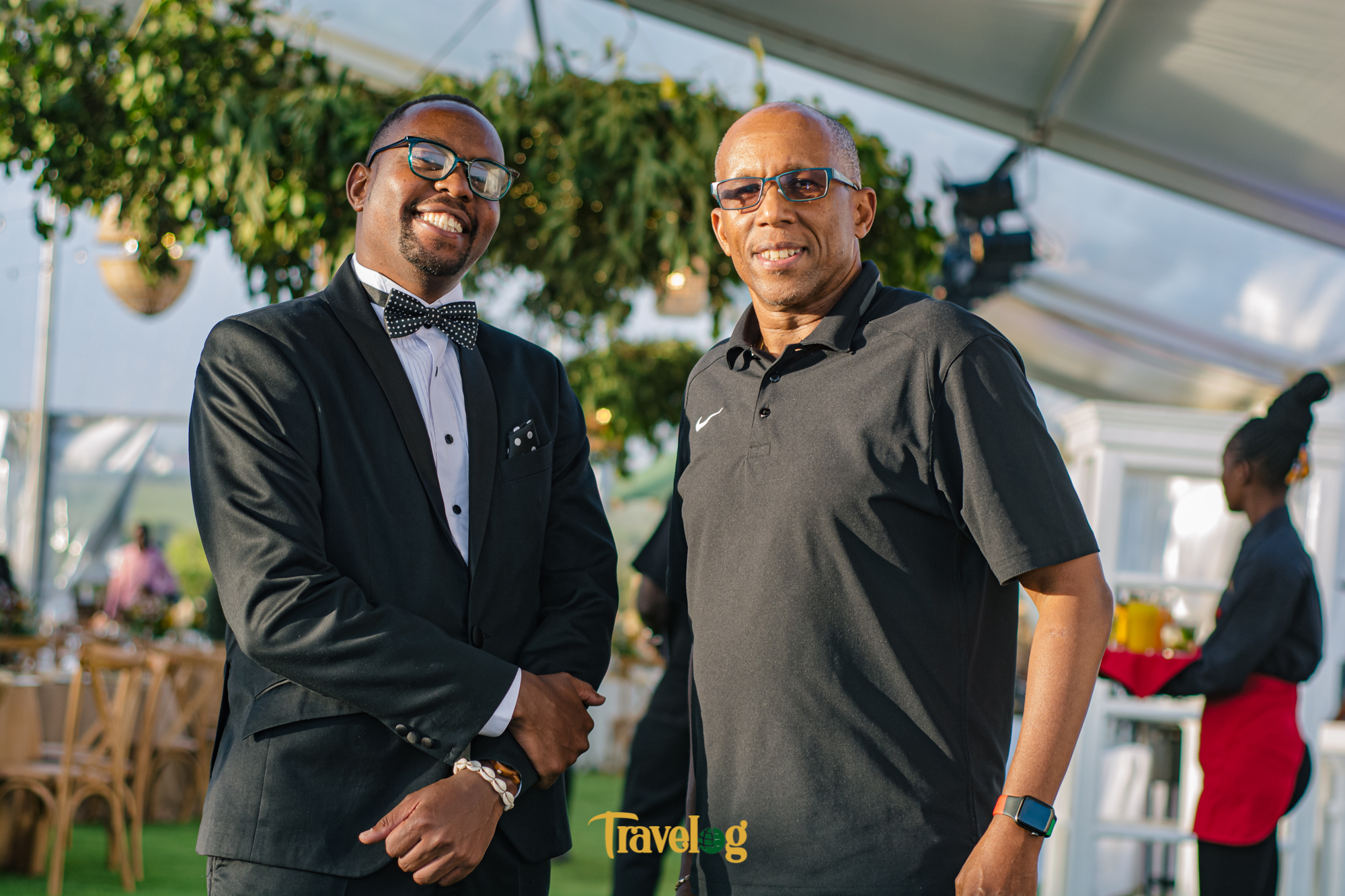
Travelog Founding Editor Thorn Mulli with IMG Director Peter Gacheru at the event
The Strategy Team looked at four components (Brand, Marketing, Experiences, and Enablers) backed by nine initiatives including brand repositioning and development of new and existing markets with targeted campaigns to five high-value source international markets (USA, UK, China, UAE and Saudi Arabia). The domestic market has also been identified as a growth driver with the target being youth, high-earners, and families with specific 2-3 day events and targeted (digital) marketing offers.
The Ministry is also bent on developing new experiences with emphasis on all-year travel and mitigate high season over-crowding through seasonal pricing for park fees, auditing properties for quality and marketing and developing alternate parks. On the experiences, the Ministry looks to incorporate and develop five niche signature experiences including birding, kite surfing, mountaineering, marathon running, and the twin wildebeest and whale migrations.
In the same breath it was recommended that Kenya prioritize four coastal zones of Diani, Lamu, Mombasa as well as the twin destinations of Malindi and Watamu. The development these coastal zones aligned to specific segments would improve security, cleanliness and connectivity.
At the launch, the CS took recognition of various private sector players whom he noted played a great role in contributing funds that, together with resources from the Tourism Promotion Fund (TPF), made the production of the New Tourism Strategy for Kenya (2021-2025) possible. He also thanked the various corporate stakeholder, some of whose representatives were present, for their continued support in the sector for over three decades, including those who recently joined him in scaling Mt Kenya last week in order to raise funds for improved sanitation, walking trails and rescue operations on the mountain from which our country bears its name.