Read Stories About african adventure

You probably know that Kenya is one of the biggest producers of sisal in the world. But I bet that you have no clue that the world’s supply of dart boards is significantly dependent on Kenyan-grown sisal as a raw material. This reality hit bullseye a fortnight ago during a fresh bucket-list experience courtesy of one of the newest lodges to set up shop in Taita Taveta County. Aptly named Hidana Lodge, after one of the four varieties of sisal grown on Teita Sisal Estate, this luxury hospitality opt sits at the heart of a wildlife conservancy which itself is located on the edge of a working farm located a stone’s throw away from Mwatate, the County’s headquarters.
Getting there The visit to Taita’s Teita, and the gem she bears, began with a pleasant train ride preceded by the ubiquitous rush to beat the unforgiving SGR clock that even on this day disappointed several souls. Five hours later and the travelling party pulled up to the Voi terminal where a patient Brian Mayiana, who doubles as driver and guide, waited to transfer us to our final destination. Mwatate, located approximately 25 kilometres from both Voi and the former district headquarters Wundanyi, can be a hot, not to mention inhospitably dry, landscape marked by signature red dust. This dust is what gives the incredible elephant herds that roam the vast Tsavo plains their ‘colour’. Not this time however, as recent rains revealed the lush beauty of Taita Taveta. This was not the only pleasant surprise. The glorious isolation that Hildana Lodge exists in adds to the adventure.
First, we cut through seemingly-endless rows of neatly-lined sisal plants set around Zongoloni Hill before encountering a rough 5, 000-acre sanctuary with a luxury cottage operation running smack adjacent to an elephant corridor that links Lake Jipe in Tsavo West with the Galana River in Tsavo East. The lodge, it seems, is designed to make sure every moment, from eating to sleeping is done in utter bush privacy. The lodge has its own airstrip located just ten minutes’ drive away and accessible by a one-hour flight from Nairobi’s Wilson Airport.
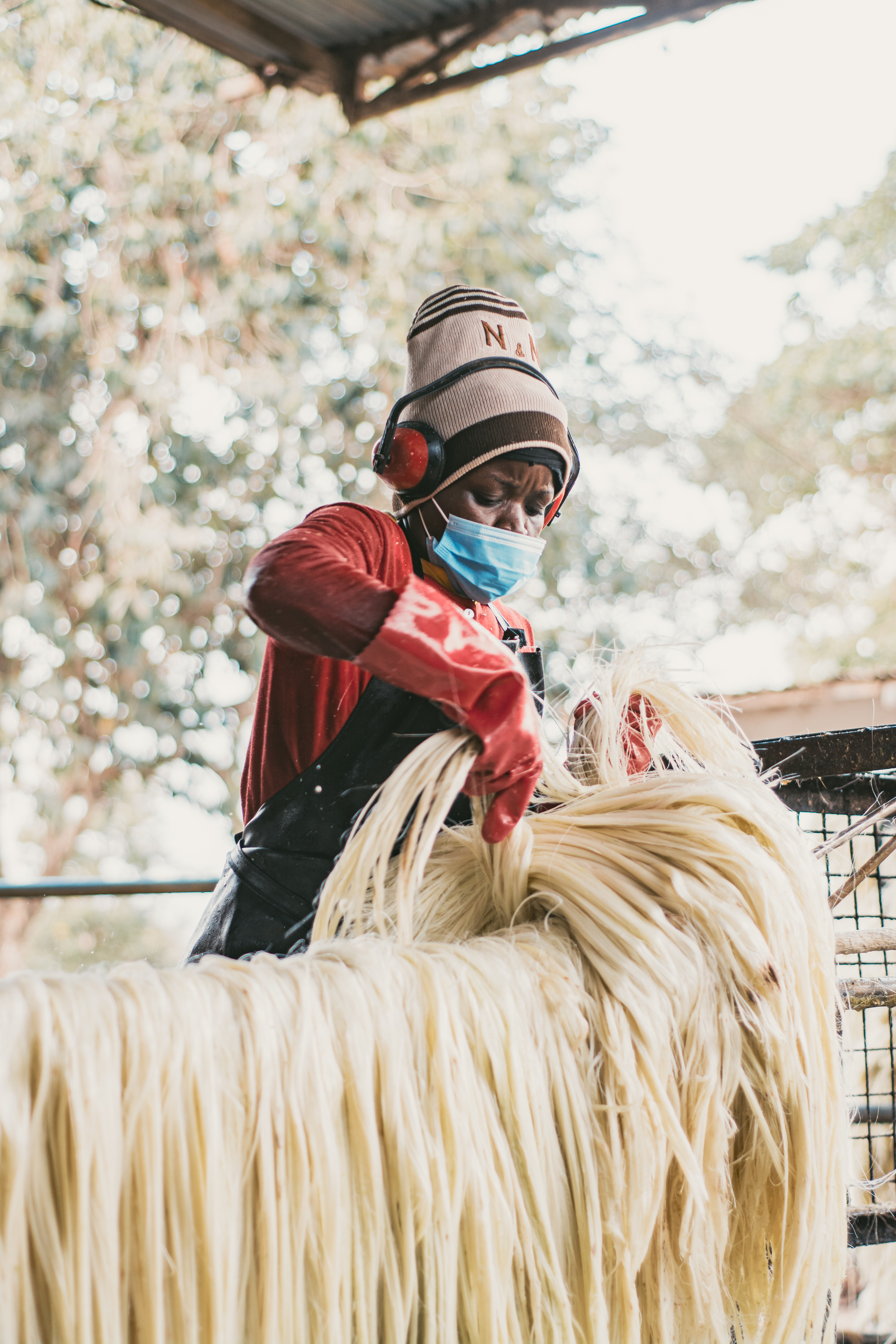
It was also heart-warming to learn that all 23 departments meet the two-thirds gender rule with most headed by women. Other than the sisal, the tour yields other organic produce including the estate’s 2,000 strong-herd of cattle, 300 camel, fish and the fly soldiers they feed on, rabbits, pigs, pawpaw, habanero chilli that was listed by Guinness World Records as the world's hottest chili in 1999, as well as hydroponic projects that run off the wastewater from the factory. For an area that suffers acute water shortage, and with the sheer tonnage of sisal processed, it is great to note that 60 per cent of the million litres of water used daily is recycled.
The structures open to cosy smooth-walled interiors with splashes of unmistakable Arabic-Swahili aesthetics like the wooden chests, Lamu door and windows, as well as the lime floors bearing the unintended but welcome dash of character red dust.
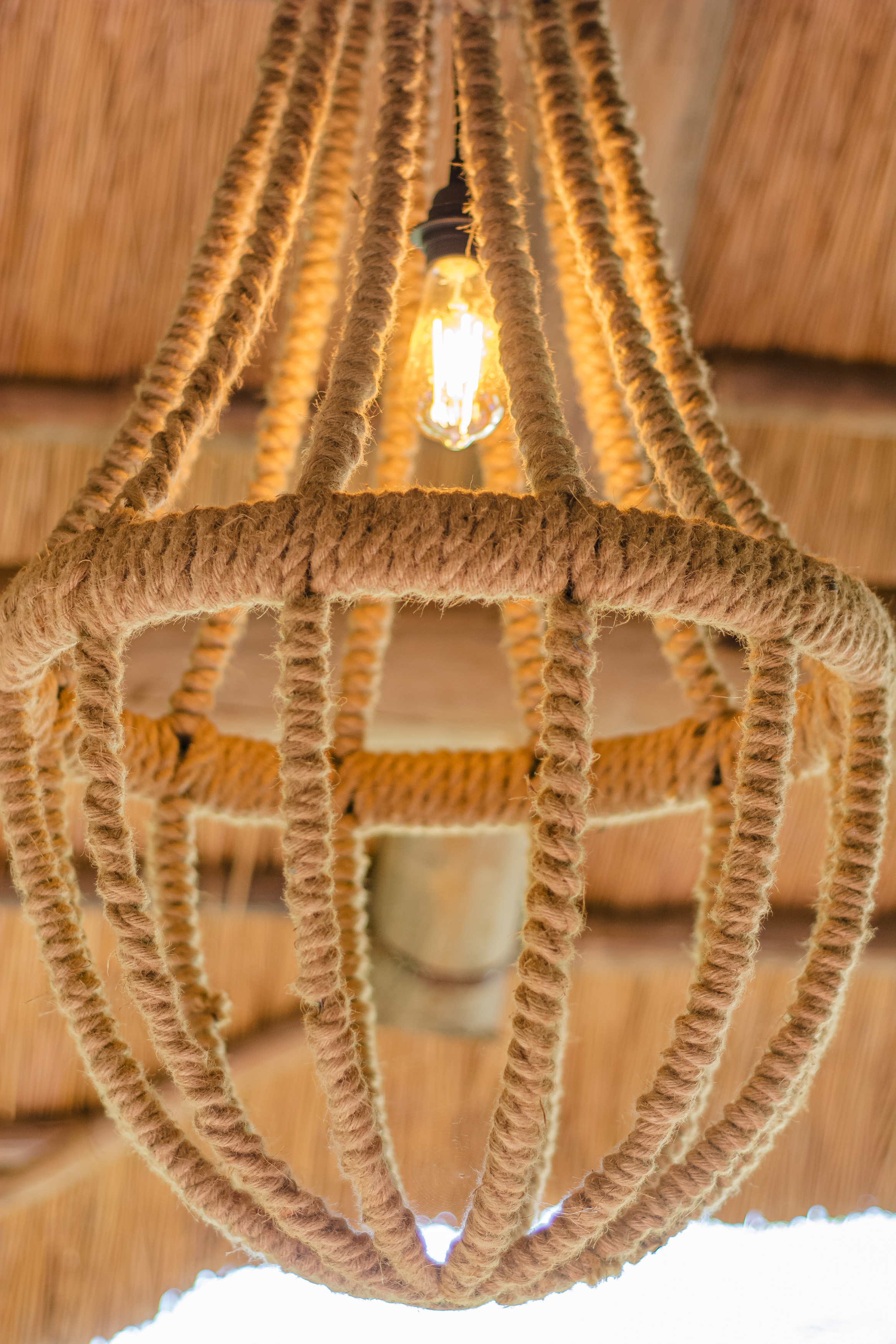
The décor matches paintings of the resident cattle and wildlife, and sisal artefacts with hand-crafted furniture and fine leather stich. Hildana manages to balance a sense of luxury with a feeling of being at home. It hosts a maximum of 20 guests split into two wings of eight swanky cottages with each disability-friendly cottage sculpted around the granite hillside.
Its large open-fronted bedrooms and sitting rooms have stunning views of the wilderness beyond. The rooms are luxurious with their custom-made wooden beds, rustic leather chairs and rugs/mats woven using Teita Estate sisal. There is one honeymoon suite, two family rooms featuring an en-suite master bedroom and an en-suite twin room as well as five standard cottages. The spacious bathrooms have solar-heated water. If it weren’t for the allure of game drives, it would be easy to while away the day relaxing in the bath tub or on the private terrace. The ambience in the common space is intimate and relaxed, thanks to the natural charm and personal approach of the staff including Cynthia who ensured a seamless check-in, Kiarie who kept our bellies full as his partner in crime, Festus, ensured that our glasses never ran empty and Hugo who has a steady pulse on the smooth running of the lodge. Speaking of food and drink, meals are healthy and light, with salads, homegrown meats, quiches, soups and roasts on offer. On that cheat day, enjoy pizza around the traditional oven complete with in its private sitting area.
The
lodge
After sumptuous salad lunch, I took time to properly take in my
surroundings. To match the location, Hildana brings rustic yet elegant
aesthetic to the bush with her thick expertly woven grass-thatch roofs
held up by characteristic yellow-fever wood beams both collected from
the conservancy. Buffet
lunch is enjoyed in the open-fronted dining area, while in the evenings;
three-course meals are served on lantern-lit tables under the stars.
Pre-dinner drinks with freshly made nibbles, such as cheese puffs and
samosas, are enjoyed in the bar and lounge area.
Farm Tour
Sitting in a private conservancy boasting unique wildlife like pangolins, kudu and wild dog as well as being next to a working farm provides visitors with a ready itinerary. This exclusive advantage means that rather than running the usual safari routine of early morning and late afternoon game drives, guests can create a flexible timetable as packed or as leisurely as they choose. If on a brief tour, say a weekend like us, I recommend that you do not make plans to leave the estate.
We opted to begin with the farm tour, saving the game chase for later. Supporting hundreds of families, the working estate established in 1972 is the second-largest sisal producer in the world. The estate maintains a clinic, six schools, 50 churches and a mosque to cater for staff needs.
We got the honour of a show-around by none other than the farm manager himself, Anthony Neilsen, who is also a celebrated rally navigator. Through his eyes, we got to learn how this eco-friendly sword-shaped plant is nurtured, harvested, and processed. It was fascinating to watch the insatiable corona machines that bend and brush the leaf, in what is known as decortication process, work. This is a nonstop all-year-round affair that produces at least 45 tonnes daily. The mabumba, slang for the processed sisal, is then sun dried before it undergoes grading and packing, before it sold to value-add factories that then turn it into rope, gypsum board, matting, millinery, brushes or even artificial hair.
Produce from the herb and vegetable garden - rhubarb, celery and carrots, to name a few - ensure ingredients are fresh and seasonal; free-range beef, lamb and pork come from the estate, while milk and cream come from the dairy herd. Breakfast has an intimate selection, including cereals and juices, and a menu for freshly cooked orders. Honeymooners might consider the ‘bush breakfast’, with juices, yoghurts, cereals, cheeses, cold cuts, pastries and breads, a chef on-hand to cook omelettes and more, all served at a romantic table for two out in the conservancy.
Salads and herbs offer fresh greens, and the bread is homemade. The delicious cuisine blends Italian and international recipes. To wash it all down, a wide range of South African and Italian wines are on offer, plus local beer and cocktails, and maybe when you visit next you will get to enjoy their very own–tequila. Within camp, read a book on your private deck or take a snooze in between activities. During the day, the tent's canvas panels are rolled up, so you can sip your coffee on cushion-strewn couches of wood and wicker and watch birds flirt around the yellow fever trees outside. That’s only if you don’t fancy spending plenty of your time outdoors; whether on the green lawn, cooling off in the infinity pool, by the fire pit with a G&T in hand, or having dinner beneath the stars. At night, you might hear the roar of lions or the whoop of hyenas; in the morning, you could see impala grazing under acacia trees or zebra wandering beyond the panoramic window of your stand-alone luxury suite.
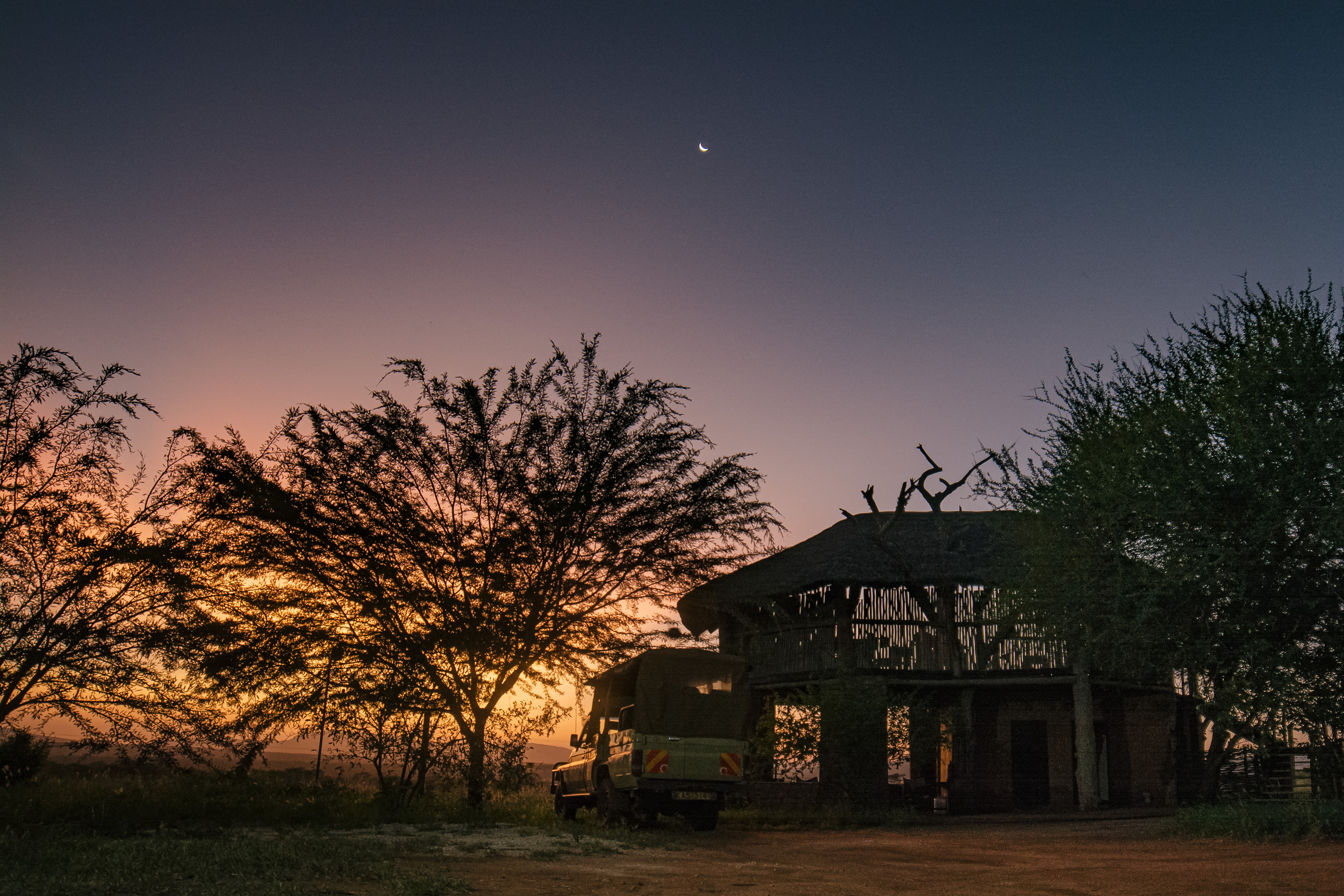
The deck It was a great choice to dwell on the farm tour as the availability of water meant most wildlife had migrated into the larger neighbouring conservation areas. On regular days, Brian insists, the number of elephants on the conservancy’s waterholes can be overwhelming as he pointed to innumerable trees knocked down by hungry jumbos. Despite this ‘green’ fact, we had a fairly successful game chase spotting several resident herbivore species like the shy lesser kudu and a wide array of birds including the magnificent secretary bird, visiting European rollers, white-browed coucal among others that guide Brian with his vast knowledge of wildlife, especially birds, kept highlighting. The climax of the drive was, of course, sundowners partaken on a specially built deck where we caught a most magical apricot and rose-hued sunset, unlike any I have ever witnessed, with the Taita highlands in the background.